How Do Required Minimum Distributions (RMDs) Work?
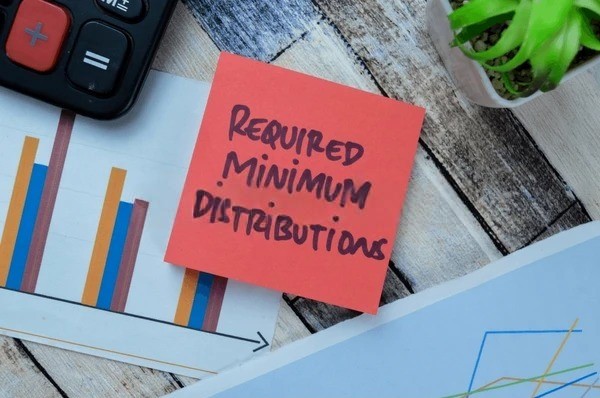
As you approach retirement, you may hear more about something called Required Minimum Distributions, or RMDs.
While they can seem complicated, understanding how they work is an important part of managing your retirement income and taxes.
What Are RMDs?
RMDs are the minimum amounts you are required to withdraw each year from certain retirement accounts, such as:
- Traditional IRAs
• 401(k) plans
• Other pre-tax retirement accounts
These rules exist because these accounts were funded with pre-tax dollars, and the IRS eventually requires those funds to be taxed.
When Do RMDs Begin?
Under current rules, RMDs typically begin at age 73 or 75 if you were born after 1960 (this can change based on legislation).
Once they begin, you must take a distribution each year—even if you do not need the income.
How Are RMDs Calculated?
RMD amounts are based on:
- Your account balance
• Your age
• IRS life expectancy tables
As you get older, the required distribution amount increases and so do your taxes.
Why RMDs Matter
RMDs can have a significant impact on your financial plan.
They may:
- Increase your taxable income
• Affect Social Security taxation
• Impact Medicare premiums
• Reduce the flexibility of your income strategy
Without planning, RMDs can create unintended tax consequences.
The Widow/Widower’s Tax Increase
One often overlooked issue is what happens when one spouse passes away.
After the loss of a spouse, the surviving individual typically shifts from married filing jointly to single tax status. This change results in:
- Lower income thresholds for tax brackets
• Potentially higher tax rates on the same income
• Continued Required Minimum Distributions from retirement accounts
In many cases, this creates a situation where the surviving spouse is paying more in taxes on less household income.
This is sometimes referred to as the Widow/Widower’s Tax Increase.
Planning Around RMDs
A thoughtful retirement strategy often includes planning for RMDs in advance.
This may involve:
- Coordinating withdrawals across accounts
• Evaluating tax strategies
• Structuring income to reduce surprises
The goal is to manage distributions proactively, rather than reacting later. Annuities provide an excellent tool for Required Minimum Distribution Planning with some offering a 20-22% bonus to offset the taxes associated with transfer to Roth account.
Final Thoughts
RMDs are not just a technical rule—they are a key part of your overall retirement strategy.
Understanding how they work can help you avoid unnecessary taxes and maintain greater control over your income.
If you would like to understand how RMDs may impact your retirement, a conversation can help bring clarity.